Two contract wins for Landell Mills’ agriculture, fisheries, food security and nutrition division
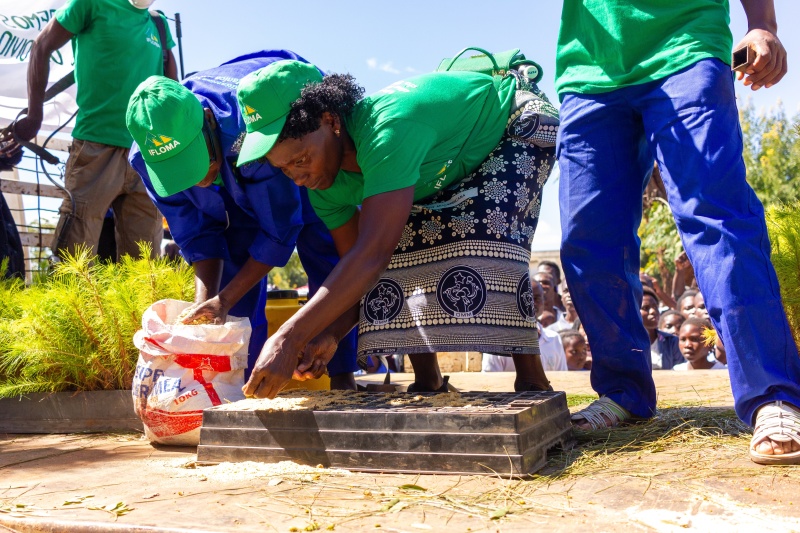
Approximately 67% of Mozambique’s population live in rural areas, with roughly 99% of these rural residents engaged in family farming, which makes up most of the rural economy. Climate change has severely affected agricultural landscapes, with shifting cultivation responsible for deforestation in Mozambique. The productivity of lands under shifting cultivation is often very low, causing communities to continually move in search of new lands.
To aid the restoration of degraded agricultural landscapes in Mozambique, Landell Mills' agriculture, fisheries, food security and nutrition (AFN) division has been awarded a new contract titled Developing Supportive Strategies for Restoration of Degraded Agricultural Landscapes in the South Zone of Mozambique, which is a Climate Action Africa (CAA) project. The contract is funded by Global Affairs Canada and implemented by Alinea, Econoler and WSP.
On the Developing Supportive Strategies for Restoration of Degraded Agricultural Landscapes in the South Zone of Mozambique contract, Landell Mills will work with the Ministry of Agriculture and Rural Development in Mozambique to develop a programming roadmap to support climate-smart agriculture in Maputo, Gaza and Inhambane. This will be achieved by:
- Identifying areas for intervention through Geographic Information Systems.
- Identifying value chain opportunities.
- Developing guidelines and manuals for community-supported agriculture and restoration practices.
- Creating and validating the programming roadmap itself.
You can read more information about this contract on the CAA website.
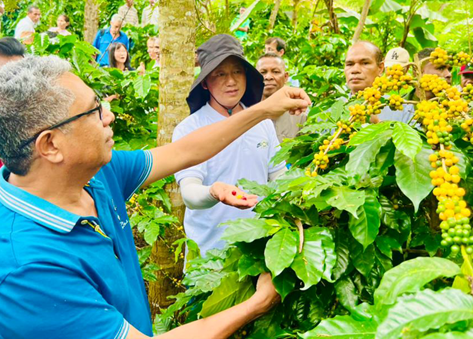
Landell Mills' AFN division has also secured a contract in Cambodia, titled Preparing the Smallholder Resilient Economic Development Sector Project, which is funded by the Asian Development Bank. Under this contract, Landell Mills – in collaboration with Key Consultants Cambodia – will carry out a range of project design tasks with the aim to:
- Roll-out inclusive technical services and green investment for nature-positive smallholder agriculture in targeted communes.
- Rehabilitate or construct small-scale climate resilient infrastructure for improved productivity and better market access.
- Strengthen the long-term resilience of poorer communities through disaster risk reduction, climate-risk management for selected cropping systems, insurance and financing.
- Promote women’s empowerment in agriculture and food consumption.