Dominique le Roux
Abdul Hamid Mohammed Rhametalla
Consultant – agriculture, food security and livelihoods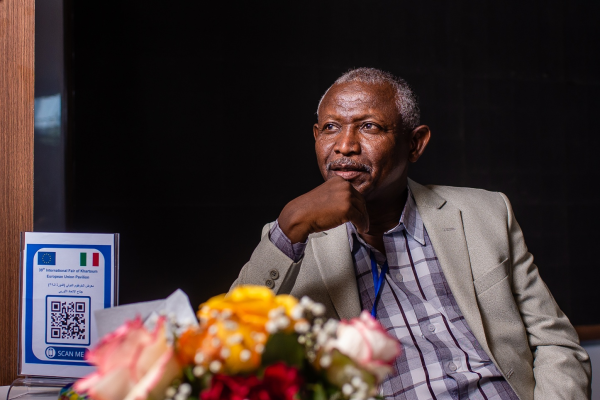
Tell us about your roles on the projects that you’ve consulted on for Landell Mills.
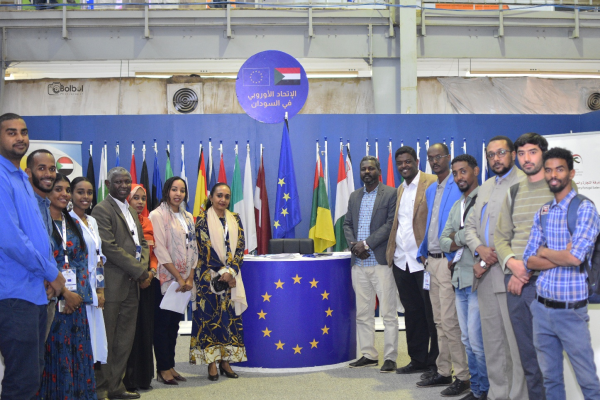
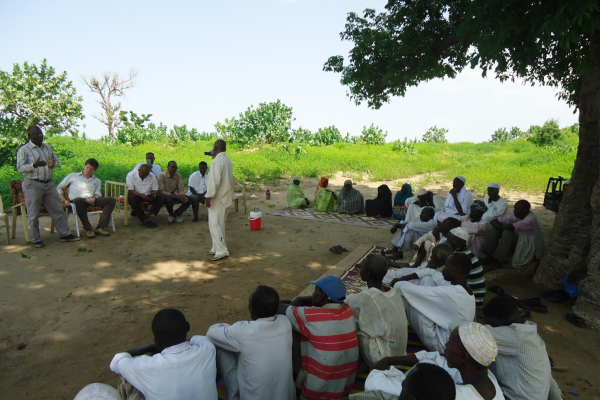
The Sudan Food Security Programme – Rural Smallholder Component involved direct hands-on support and work with a range of stakeholders, including non-governmental organisations (NGOs), implementing partners, government ministers, private sector representatives and project beneficiaries. My role was to make sure that all these actors worked in a complementary manner to fulfil their objectives and contribute to providing smallholder producers with agricultural inputs, technical know-how and financial resources to have access to better income and food security. I also provided technical support to the European Union (EU) and NGO implementing partners.
Whereas in the ongoing Technical Assistance to the EU Delegation for Cooperation in Sudan project, my role is of an advisory nature to the EU Delegation and Member States to ensure relevant and robust planning, efficient and effective implementation, and monitoring and evaluation of the EU interventions in Sudan. I work with experts from different backgrounds and institutions in leading and supporting the implementation of the project, which is designed to complement the EU’s development interventions.
What does a typical day look like in your roles on the projects?
In my current role on the Technical Assistance to the EU Delegation for Cooperation in Sudan project, a typical day begins around 7am. A round of morning greetings starts as colleagues come in – this is part of the Sudanese culture which has become enshrined in the office. My desk work starts by checking emails and my diary, reviewing tasks and discussing plans with colleagues. Work through the day may include liaising with stakeholders, ranging from the EU and government technical departments, to private sector providers, and farmers in the field.
Lunch time is very important in the office, where we all eat together. This is a good opportunity for new colleagues to get acquainted with the office and Sudanese culture.
In the afternoon, my work continues with following up on action points from meetings attended, providing feedback, troubleshooting with partners and having internal discussions with colleagues. At the end of the day, around 4pm, I review what I have achieved, update the plan for the next day, and do a final check with the client and partners.
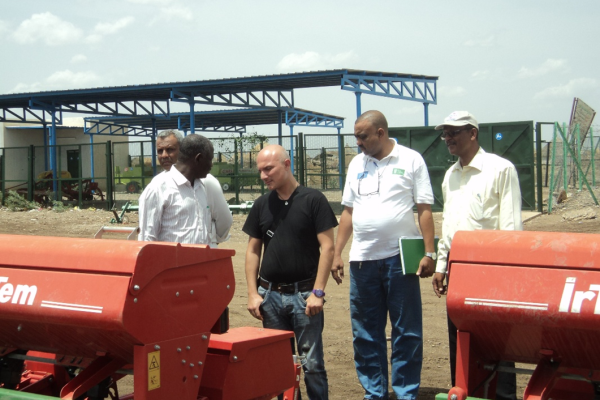
In my role on the Sudan Food Security Programme – Rural Smallholder Component, I travelled and visited the field often. We would visit farms to assess the performance of crops, machinery and staff, and identify technical support needs. This was a very interesting part of my role as it was very dynamic and required flexibility to respond to emerging needs. I enjoyed seeing the results of what we had been doing to change people’s lives.
What skills do you use most within your roles on the projects?
Communication, organisation, time management, problem-solving and leadership. Additionally, skills such as risk management, budget management, adaptability and interpersonal skills are vital for navigating the complexities of the projects.
Skills specific to the context in Sudan are risk mitigation and management, and staff and office security. Among all these skills, communication stands out as the most important one to me because poor communication can lead to misunderstanding and inefficiency.
What previous experience or qualifications proved most useful within your roles on the projects?
My agricultural and rural development studies and my background working with different organisations and institutions have been crucial in handling the various tasks and responsibilities of different roles with Landell Mills. These roles helped me to effectively plan, prioritise, delegate and ensure projects or specific assignments are completed on time and within budget.
My understanding of the country and work sectors enabled me to quickly grasp the nuances of my current role and contribute valuable insights. Additionally, the ability to adapt to new situations and work environments is essential, and my experience in various roles has demonstrated my capacity to be flexible and adjust to changing priorities and demands.
What do you enjoy about working with Landell Mills as a consultant?
I've been with Landell Mills for over 12 years, and during this time I’ve witnessed incredible growth and positive change. What sets Landell Mills apart is the autonomy we are given – we are trusted with our work and supported with the backstopping and tools we need to succeed. There is lots of support from management when you need it, but no micromanaging or constant pressure. You are trusted to get on with things, which makes a massive difference.
Landell Mills also puts real thought into team culture. It is genuinely refreshing and exciting to be part of a company that not only embraces evolution but actively encourages it. I feel proud to be part of such a thoughtful, empowering and forward-thinking company.
What has been your most memorable moment whilst working at Landell Mills?
One of the most defining chapters for me was when we successfully launched the Sudan Food Security Programme – Rural Smallholder Component after a challenging initial phase. As a team, we overcame numerous obstacles, including technical hitches with the implementing partners and tight deadlines. Seeing the positive achievements and impact as the project unfolded, was incredibly rewarding. This project has become a role model for development in East Sudan, and almost all national and international actors keep replicating it.
Other Consultant stories