Trade and
investment

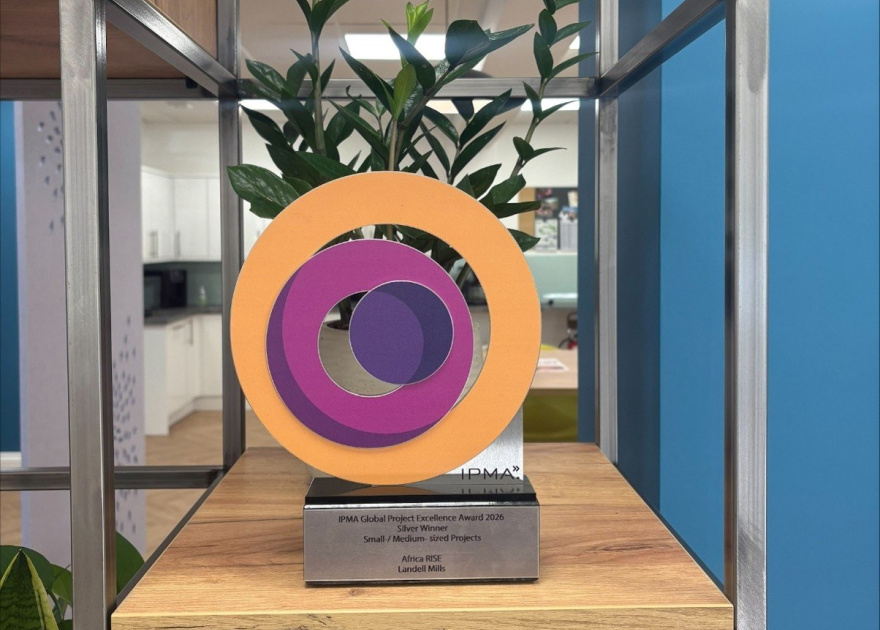
Our offering in export development and foreign direct investment was significantly strengthened when we joined forces in 1998 with TDI Group, formerly the Trade Development Institute of Ireland (which evolved from the Irish Trade Promotion Board), as it sought to promote the Celtic tiger growth model in emerging economies. More recently we have helped countries increase investment of their private sector overseas, while ensuring this leads to local job growth and strengthening inclusive and sustainable supply chains. This has included business-to-business match-making; improving investment readiness of projects such as through facilitating public-private partnerships; and investment feasibility and design (see further here), including the identification of financial instruments that can leverage private investment. Examples of our work include the award-winning Africa RISE (Reform for Investment and Sustainable Economies) Facility, the Global Gateway Business Advisory Group Facility, Management of the Export Readiness Fund in Bangladesh, and the design of critical raw materials-related actions in Uganda.
Project Examples
Africa RISE (Reform for Investment and Sustainable Economies) programme
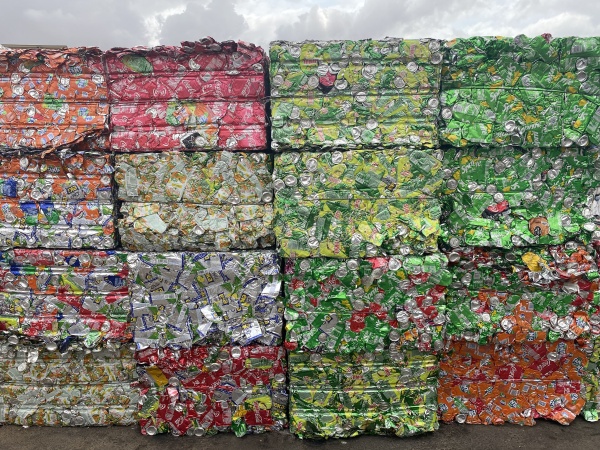
Africa RISE (Reform for Investment and Sustainable Economies) was a demand-driven regional technical assistance facility funded by the European Union (EU). It was implemented from 2020-2024 by a consortium led by Landell Mills, with support from Adam Smith Europe, Imani Development and International Economics.
The programme aimed to promote business development and improve the investment climate in Eastern and Southern Africa, and the Indian Ocean. It supported the EU partnership with Africa on sustainable investments and jobs, inclusive green growth and decent work.
Management of the Export Readiness Fund (ERF)
Export diversification is a key priority for the Government of Bangladesh, in order to continue to deliver accelerated growth, sustainable development, and increased job creation. In line with this, the Ministry of Commerce, Government of the People’s Republic of Bangladesh, has been implementing the Export Competitiveness for Jobs (EC4J) Project, financed by a loan from the World Bank.
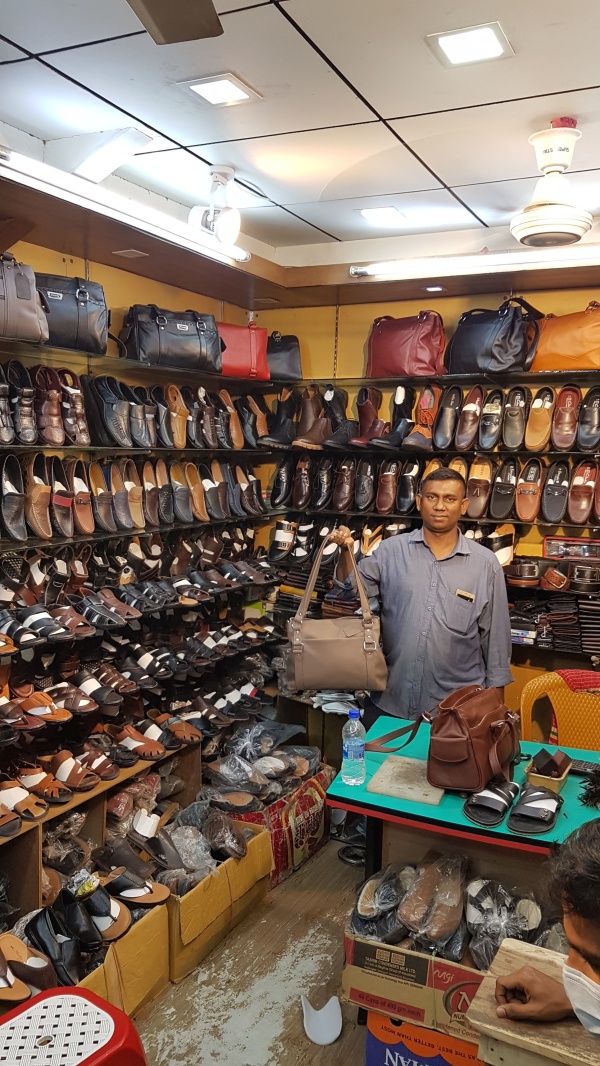
The Export Readiness Fund (ERF) was a $17.5 million matching-grant programme and formed part of the EC4J project. Landell Mills, in association with Young Consultants, was the fund manager of the ERF.
The ERF provided grant-based incentives for advisory services, training, and equipment that enabled beneficiary firms to identify and address Environmental, Social and Quality (ESQ) compliance gaps; upgrade production processes; and improve product quality as required by international buyers and brands, and the regulatory standards of major export markets.
Fund manager of the Afghanistan Business Innovation Fund (ABIF)
ABIF has been able to drive sustainable economic development by collaborating with entrepreneurs through incorporating a ‘Making Markets Work for the Poor’ (M4P) approach within a challenge fund mechanism. The pilot project provided a financial return to grant recipients while also leading to poverty reduction at scale.
ABIF recognised that in order to change the income inequality that had been created by donor driven economic growth, private sector investment was needed. To change the economic situation, Landell Mills designed and implemented a private sector challenge fund. It encouraged the private sector to conceptualise, develop and implement their own innovative pro poor investment projects. The grantees were the vehicle to introduce new goods, services or jobs into the market, and the beneficiaries were Afghans who directly benefitted from investments.
Strategic support on Investment Treaties for Rwanda
Landell Mills was contracted by TAF2+ (Trade Advocacy Fund) to develop and implement a National Bilateral Investment Treaty (BIT) strategy in Rwanda in support to the Ministry of Trade and Industry (MINICOM). Landell Mills first conducted an economic and legal impact assessment of Rwanda’s current stock of BIT to help the Government of Rwanda to analyse the costs and benefits of its Bilateral Investment Treaties by:
- Analysing the flow of inward and outward foreign direct investment to and from Rwanda;
- Examining the provisions of BITs to assess the level of depoliticization and policy space;
- Analysing the various processes underlying each treaty from negotiation to ratification;
- Identifying areas of legal risk to Rwanda and the scope of the ISDS provision.
Landell Mills then supported MINICOM to elaborate a BIT strategy based on the results of those impacts assessments as well as delivered a programme of capacity development activities to support and strengthen the cross-government BIT committee in carrying out future negotiations on the basis of the model BIT and BIT strategy.

Support to civil society participation in the implementation of EU trade agreements
The overall objective of the project is to support the implementation of TSD chapters of EU Trade Agreements through consistent, visible and increased participation of civil society. The consortium provides secretarial support for civil society meetings organised in relation to EU trade agreements. We also implement capacity building activities to increase meaningful participation of both EU and partner countries’ civil society in trade agreements. In addition, our consortium provides capacity building in the form of benchmarking and subsequent implementation of best practices and desk studies. The objective of the studies is to inform the work of the DAGs by providing an in-depth review on a subject of particular relevance, e.g., trade flows of specific types of products or commodities from a partner country and environmental or labour issues linked to such trade, or horizontal – e.g. an analysis of different approaches to responsible business conduct.

Technical Assistance to the Trade Support Programme in DRC
This technical assistance objective supported the Government of DRC (GoDRC) to reform its economy in order to make it more competitive at national, regional and international level, and support the integration of the Congolese economy into the world market within the framework of Economic Partnership Agreements. Landell Mills supported the GoDRC through four components:
- Improvement of judicial and legal security by modernising trade and accountancy laws through the adhesion to the OHADA treaty;
- Facilitation of trade and customs reforms by improving economic governance and commercial exchanges and fighting against corruption through modernisation of customs procedures;
- Strengthening capacity in trade policy by strengthening economic decision-making processes and improving access to tools for trade analysis;
- Improving the competitiveness of non-traditional exports by facilitating the adoption of international trade standards.
Strengthening export competitiveness for inclusive growth in Mauritius
In the context of the i-EPA implementation as well as of the regional integration process, Landell Mills supported SMEs in their export strategy and in complying with technical regulations to allow Mauritius' private sector to fully benefit from the current trade agreement with the EU and to increase its participation in national, regional and international trade. Potential for export business creation was unlocked, allowing SMEs to create and innovate into niche markets. In the meantime, exporting SMEs benefited from an empowered skilled labour force and from new opportunities generated by regional and global trade integration. Ultimately, by integrating youth and women and stimulating regional inclusive growth, this support contributed to a fairer income distribution and poverty reduction amongst the vulnerable population. Landell Mills supported the Ministry of Industry, Commerce and Consumer Protection and Ministry of Foreign Affairs, Regional Integration and International Trade and key TISIs to strengthen their support to SMEs, women and youth exporters.

Annual review of DFID’s private sector development programme in Malawi
An annual review of the Private Sector Development Programme which has four components: the Business Enabling Environment Programme, the Malawi Oilseeds Sector Transformation Programme, the Business Innovation Facility and the Malawi Innovation Challenge Fund.
Click here to read the review.
Case studies: technical barriers to trade good practices
Four case studies illustrating successful good practices related to the design, management, effectiveness, sustainability and results dissemination from selected projects implemented by the ACP-EU Technical Barriers to Trade Programme.
1. Certification and Accreditation
4. Training
Annual review of DFID’s Business Innovation Facility 2
A review of the Business Innovation Facility (‘BIF’) phase 2, a five year, DFID-funded programme which aims to improve the lives of the poor in three countries: Malawi, Burma, and Nigeria.
Click here to read the review.